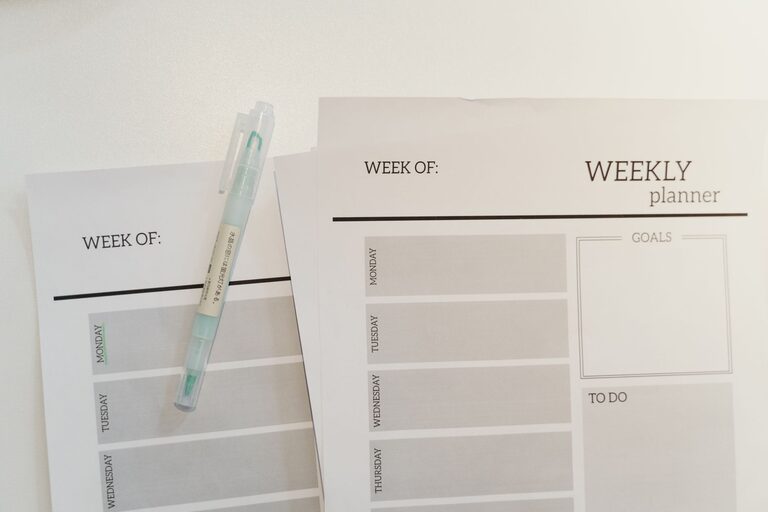

Journaling is a powerful yet simple tool that many successful people use to improve their mental clarity, reduce stress, and track personal growth. If you’re new to the idea, starting a daily journaling practice might seem overwhelming at first. This beginner guide will walk you through everything you need to know to build a consistent habit and enjoy all the benefits journaling offers.
Why Journal Every Day?
Journaling isn’t just about writing down what happened during your day. It’s a reflective practice that can help you:
– Organize your thoughts and feelings
– Increase self-awareness
– Boost creativity
– Track progress toward goals
– Manage stress and emotions
Daily journaling reinforces these benefits because it creates a routine of intentional reflection. Over time, it becomes easier and more natural to put your thoughts on paper, which can lead to greater mental clarity.
Choosing Your Journaling Method
There’s no single “right” way to journal. The best method is the one that feels easiest and most enjoyable for you. Here are some popular options:
Traditional Paper Journal
– Buy a notebook or journal that you like
– Use a pen or pencil you enjoy writing with
– Benefits: tactile experience, fewer distractions, easy to carry
Digital Journaling
– Use apps like Day One, Evernote, or a simple note app on your phone or computer
– Benefits: searchable entries, easy to backup, convenient for quick entries
Combination Approach
– Write long entries on paper, then add quick notes or reminders digitally
– Allows flexibility depending on your schedule
Setting Up Your Journaling Routine
Building a daily journaling habit requires some planning and consistency. Try these strategies:
Pick a Specific Time
– Morning journaling can start your day with focus
– Evening journaling can help you reflect and unwind
– Choose a time that fits your daily rhythm and stick to it
Create a Comfortable Space
– Find a quiet corner with good lighting
– Keep your journal and pens handy
– Minimize distractions like phones or TV during this time
Start Small and Be Realistic
– Begin with 5 minutes or writing a few sentences
– Use prompts if you don’t know what to write
– Gradually increase your time or depth as you get more comfortable
Journaling Prompts for Beginners
Sometimes starting is the hardest part. Here are some simple prompts you can use:
– What are three things I’m grateful for today?
– What made me happy or proud today?
– What challenges did I face and how did I respond?
– What’s one goal I want to work on tomorrow?
– How am I feeling right now?
Tips to Keep You Motivated
– Don’t worry about spelling or grammar; focus on expression
– Allow yourself to skip days without guilt
– Celebrate milestones like a week or month of journaling
– Revisit old entries to see your progress and patterns
– Share your journaling experience with friends or online groups for support
Overcoming Common Challenges
Writer’s Block
– Use prompts or list-making to get started
– Write about the same things repeatedly if you want; it’s okay
– Try free writing for a set time without censoring yourself
Lack of Time
– Write even one sentence if that’s all you have
– Use voice-to-text features for quick entries
Feeling Self-Conscious
– Remember your journal is private unless you choose to share
– Treat journaling as a judgment-free zone where honesty matters most
Final Thoughts
Daily journaling is a flexible and rewarding habit that anyone can develop. By starting small, picking a method that works for you, and setting a consistent routine, you’ll soon find journaling to be an enjoyable part of your day. Over time, this simple practice can help you gain insight, reduce stress, and live more intentionally.
Give journaling a try for a week and see how it changes your mindset—you might be surprised at what you discover about yourself. Happy journaling!
About the Author