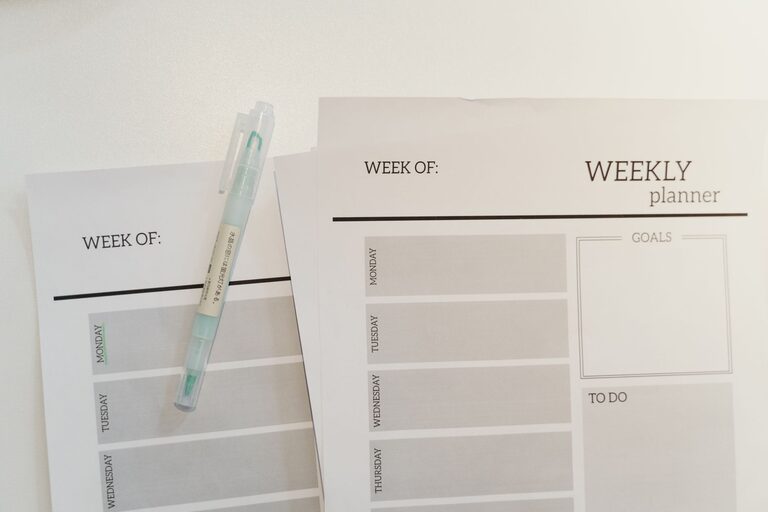
Paper clutter is a common challenge in many households. From bills and receipts to magazines and junk mail, paper tends to pile up quickly, making spaces feel messy and overwhelming. The good news is that with a few simple changes and habits, you can significantly reduce paper clutter and keep your home tidier. This post will guide you through practical and easy-to-follow steps to help you manage paper better.
Why Reducing Paper Clutter Matters
Before diving into specific methods, it’s important to understand why reducing paper clutter can improve your daily life:
– Improves organization: Less paper means less chance of losing important documents.
– Saves time: Finding what you need becomes faster and easier.
– Reduces stress: A tidy space often leads to a clearer mind.
– Supports sustainability: Using less paper helps reduce waste.
Now let’s explore easy ways to tackle the paper overload in your home.
Create a Paper Management System
Having a designated system for handling incoming and outgoing paper is the foundation of reducing clutter.
1. Set Up Incoming Paper Stations
Choose a spot near the entrance of your home or on a desk where all incoming mail and documents go immediately. Use trays or baskets labeled for different types:
– To be dealt with (urgent papers like bills or invitations)
– To file (papers you want to keep long-term)
– To shred/recycle (junk mail or unneeded receipts)
2. Go Digital When Possible
Many companies now offer paperless billing and statements. Sign up for these services to cut down on physical mail. Use apps or digital folders on your computer to store important documents safely.
3. Schedule Regular Paper Sort Days
Set a day each week or month to sort through accumulated paper. During this time, file important documents, shred sensitive information, and recycle anything unnecessary.
Declutter Existing Paper
Reducing paper clutter starts with clearing what you already have.
4. Sort and Purge
Gather all loose papers and sort them into categories: bills, warranties, personal documents, magazines, and junk mail. Be honest—if you haven’t needed something in over a year, it’s usually safe to recycle or shred.
5. Use a Filing System
Invest in a simple filing cabinet, accordion folder, or binders with labeled dividers. Create categories based on your needs, such as:
– Financial documents
– Medical records
– Home and warranty information
– Receipts for taxes or big purchases
– Personal documents (birth certificates, passports)
Keeping files manageable and well-organized will help avoid future clutter.
Minimize Paper in Daily Life
Changing habits can prevent new paper clutter from forming.
6. Limit Paper Use at Home
Try to reduce printing or note-taking on paper. Use digital notes, calendars, and reminders on your phone or computer instead.
7. Manage Kids’ Paperwork
Children often bring home artwork, school notices, and worksheets. Create a display area for current favorites and regularly review what to keep or recycle. Consider photographing sentimental items before letting them go.
8. Control Junk Mail
Register for services like the Direct Marketing Association’s opt-out list to reduce unsolicited mail. For mail that still arrives, handle it immediately by sorting or recycling.
Utilize Tools to Stay Organized
Technology and tools can make paper management simpler.
9. Use a Scanner or Smartphone App
Digitize important papers by scanning or photographing them. Store files in organized folders on your device or cloud storage. This lets you keep documents without physical copies taking up space.
10. Label Everything Clearly
Whether in physical files or digital folders, clear labeling saves time and confusion. Use consistent categories and update them as needed.
Maintain Your Paper-Free Routine
Keeping paper clutter under control is an ongoing effort.
11. Make It a Habit
Consistent daily or weekly routines for managing paper prevent buildup. Empty incoming trays daily and file papers regularly.
12. Encourage Family Participation
Get everyone in the household involved. Teach children how to manage their own papers and remind family members to use the system.
—
Final Thoughts
Reducing household paper clutter doesn’t require drastic measures. Small steps like going digital, setting up easy sorting systems, and regularly purging old papers can make a big difference. With a little effort and consistency, you can enjoy a more organized, peaceful home environment free from paper chaos. Give these simple tips a try and see how much easier managing paper can be!
About the Author