
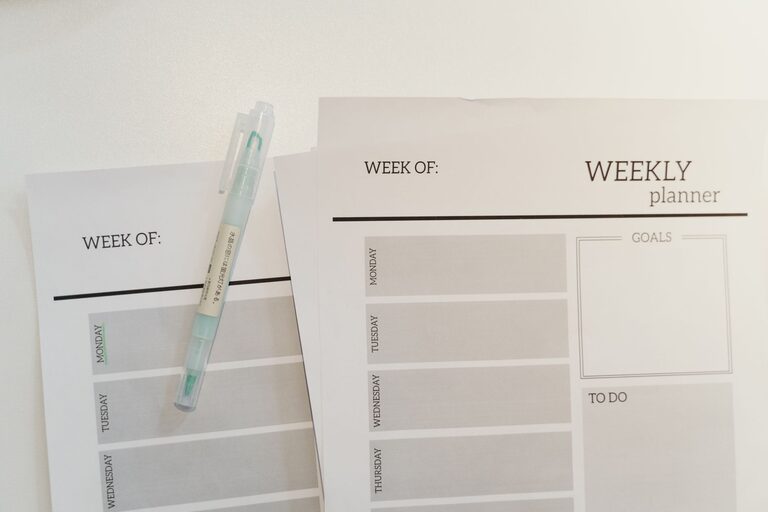
Setting goals is a powerful way to stay focused and motivated. However, the key to success often lies in setting goals that are realistic and manageable within a given timeframe. Weekly goals, in particular, can help break down larger ambitions into digestible, actionable steps. In this post, we’ll explore how to set realistic weekly goals that can improve your productivity and help you make steady progress.
Why Set Weekly Goals?
Weekly goals serve as a bridge between your long-term objectives and your daily tasks. They give you:
– Clear direction for the week ahead
– A sense of accomplishment as you tick off each goal
– Flexibility to adapt your priorities as needed
– Motivation to stay on track without feeling overwhelmed
Steps to Set Realistic Weekly Goals
1. Reflect on Your Larger Objectives
Before deciding on weekly goals, take a moment to consider your bigger picture. What are your monthly or yearly goals? Your weekly targets should align with these broader ambitions to ensure your efforts are meaningful.
2. Assess Your Available Time and Energy
Be honest with yourself about how much time you can realistically dedicate to your goals this week. Consider:
– Work or school commitments
– Family and personal obligations
– Energy levels and stress factors
This helps prevent setting goals that are too ambitious.
3. Prioritize Your Goals
Make a list of potential goals and rank them based on importance and urgency. Focus on the top 2-3 goals to avoid spreading yourself too thin.
4. Make Your Goals Specific and Measurable
Vague goals like “exercise more” or “read often” can be hard to track. Instead, set clear, measurable objectives such as:
– “Exercise 3 times for 30 minutes each”
– “Read 50 pages of a book”
This clarity makes it easier to know when you’ve succeeded.
5. Break Goals Into Manageable Tasks
Large goals can feel intimidating. Divide them into smaller, actionable steps. For example, if your goal is to write a report, your tasks might include:
– Outline main points
– Research key topics
– Write draft sections
– Edit and finalize
6. Use a Planner or Digital Tool
Write down your weekly goals and tasks in a planner, calendar, or app. Seeing your plan visually can boost commitment and make it easier to track progress.
7. Set Deadlines Within the Week
Assign specific days or times to work on particular tasks. Deadlines encourage accountability and prevent procrastination.
8. Build in Flexibility
Unexpected events happen. Allow some wiggle room for shifting priorities or rescheduling tasks without abandoning your goals.
9. Review and Adjust Weekly
At the end of the week, evaluate your progress. Celebrate achievements and reflect on what worked or what needs improvement. Use this insight to plan the next week’s goals more effectively.
Tips to Stay Motivated
– Start small: If you’re new to goal setting, begin with simple, achievable goals to build confidence.
– Use positive language: Frame goals positively, focusing on what you will do rather than what you won’t.
– Visualize success: Imagine how completing your goals will feel and how it moves you closer to your larger objectives.
– Reward yourself: Treat yourself when you meet your weekly goals to reinforce good habits.
Common Mistakes to Avoid
– Trying to accomplish too much in one week
– Setting goals that are too vague or broad
– Ignoring your personal limits and energy levels
– Failing to track progress or review goals regularly
Sample Weekly Goal Plan
| Goal | Tasks | Deadline |
|———————–|—————————————|————–|
| Finish project draft | Research content, outline, write draft| Thursday |
| Exercise regularly | 30-minute workout on Mon, Wed, Fri | Ongoing |
| Organize workspace | Declutter desk and files | Sunday |
Final Thoughts
Setting realistic weekly goals is a skill that takes practice but quickly pays off. By aligning your goals with your true availability and priorities, you avoid burnout and maintain steady progress. Remember to stay flexible and kind to yourself throughout the process. With consistent effort, weekly goals can make your bigger dreams achievable step by step.
—
Try applying these steps to your next week and see how focused and productive you feel!
About the Author